Why the Old Town matters
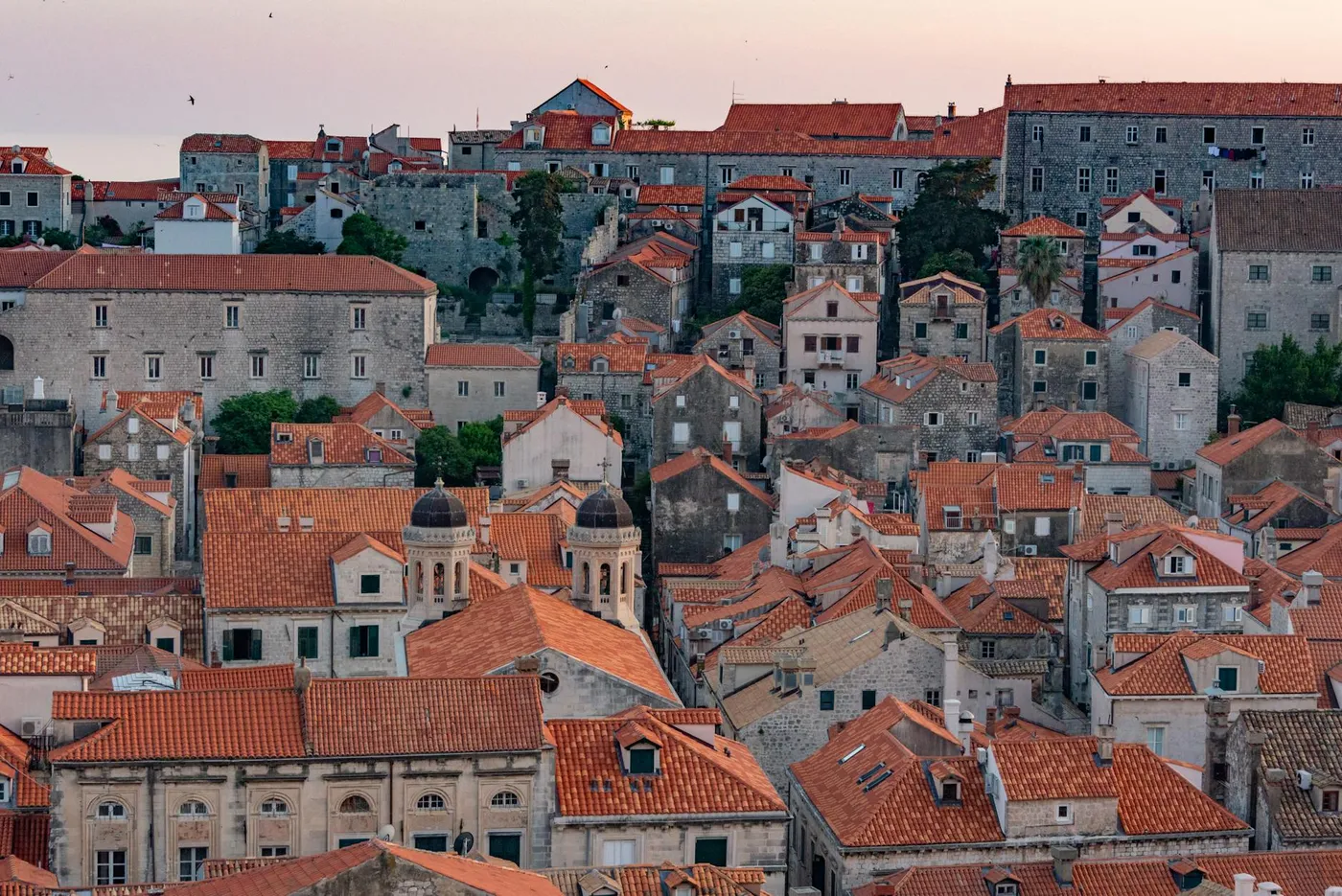
Ulcinj's Old Town (Stari Grad) sits on a rocky promontory above the small harbour, separated from the modern town by a broad stone staircase. Its fortifications are an unusually legible stack of eras: Illyrian foundations at the base, Byzantine courses, a thorough Venetian rebuild (Ulcinj was part of the Venetian Republic from 1405 to 1571), then three centuries of Ottoman rule after 1571 that added the domes, the hammam, the mosques, and the residential layout that still dominates.
It is also where the town's piracy legend comes from. Between roughly 1571 and 1699, Ulcinj was an Ottoman corsair base, and North African and Adriatic pirates used the harbour and the walled town as a refuge. A slave market operated on what is still called Slave Square.
Getting there and where to park
The Old Town is a ten-minute walk from the main town square via the coastal promenade. If you're driving, the easiest approach is the car park just below the northern gate, small, often full in summer, or the larger lot by Mala Plaža, from which you walk up. Don't try to drive into the Old Town itself; the internal lanes are barely wide enough for a scooter.
The Hammam
The small domed Ottoman bathhouse inside the walls is one of the better-preserved examples in Montenegro, with its lead-sheathed dome and the under-floor heating channels still visible. It has been restored and now functions as an exhibition space during the summer season.
The Archaeological Museum
Housed in the former Balšić tower and surrounding buildings near the upper entrance, the museum is small but genuinely informative. The collection covers the Illyrian period, Roman inscriptions, a medieval Christian phase, and the Ottoman centuries. Entry is a couple of euros; give it 30-45 minutes. The signage is in Montenegrin and English.
Slave Square
A small paved square in the lower part of the Old Town, once the active market where captives taken by the Ulcinj corsairs were bought and sold. Today it's a quiet space with a low stone well at its centre, surrounded by restored residential buildings. Nothing commercial on it; worth pausing for the history rather than the sight.
The views from the ramparts
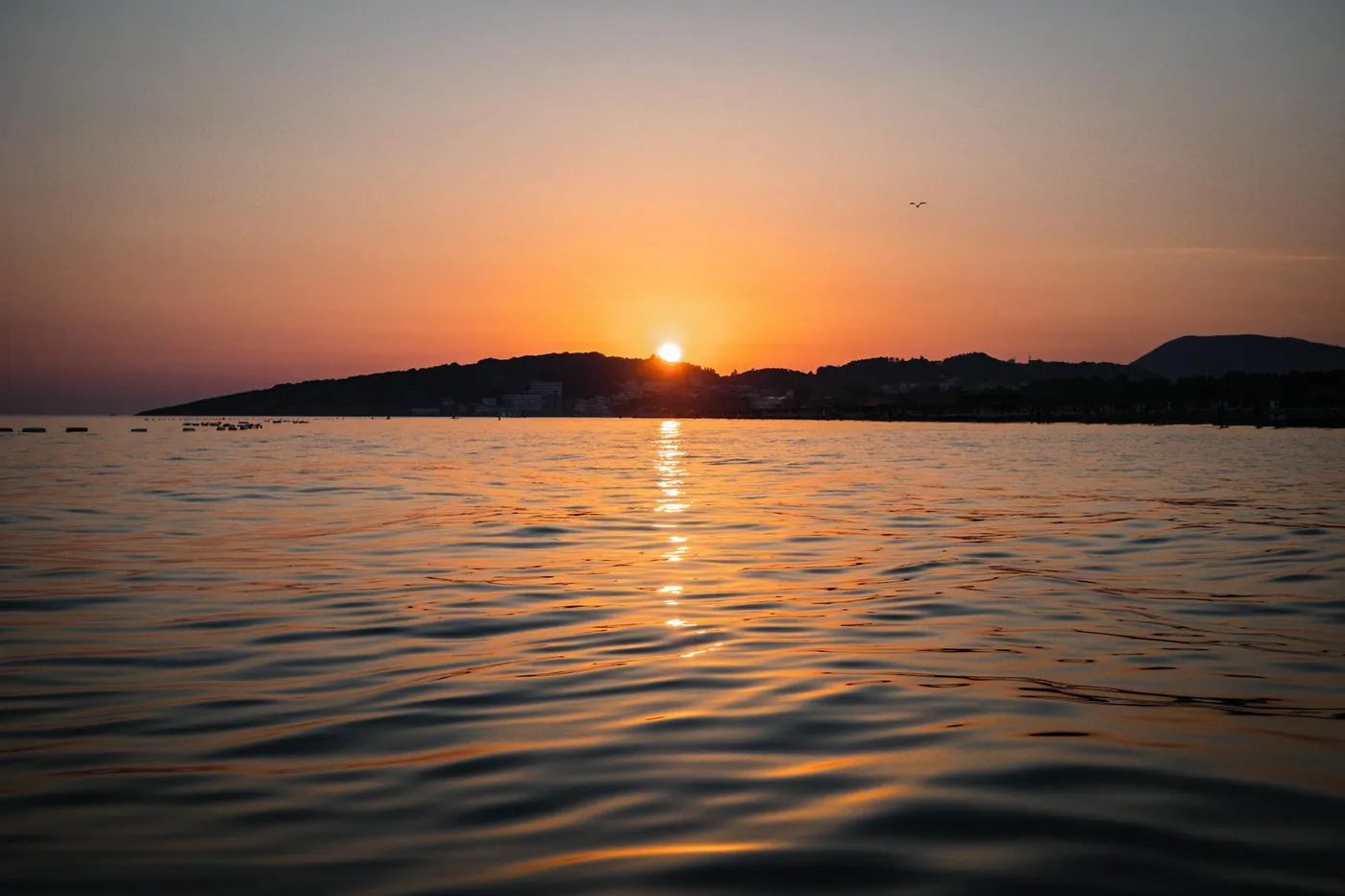
Walk the accessible sections of the outer walls for the best views of the town: the small harbour and fishing boats directly below, Mala Plaža and the modern seafront to the west, and, on a clear day, the Albanian coast and the cone of Rodon across the bay to the south-east. Sunset from the seaward rampart is the classic Ulcinj photograph.
The churches and mosques
Scattered through the Old Town are several small mosques and the remains of medieval churches converted over the centuries. The most visible is the Church of the Holy Mary (a medieval foundation repeatedly rebuilt), and the small mosques that sit tucked between residential houses near the upper gate. None is a major "sight" on its own, but they add up to a picture of the town's overlapping religious history, today Ulcinj has a Muslim majority, with active Orthodox and Catholic communities as well.
After the Old Town
The walk ends naturally at the harbour below, where the run of seafood restaurants serves the day's catch, our fish restaurants guide covers which places to pick. If you have a full day, drive out to the ancient olive groves in the afternoon, or combine with a swim at Velika Plaža.
Practical tips
- Shoes: Cobbles and worn stone steps. Avoid flip-flops and smooth soles.
- When to visit: Early morning or late afternoon. Midday in July and August is brutal on the exposed ramparts.
- Sun: Bring a hat and water, shade is patchy and the walls trap heat.
- Time needed: An hour and a half is enough for a walk-through and museum. Add another hour if you're lingering for photos or lunch on the ramparts.